

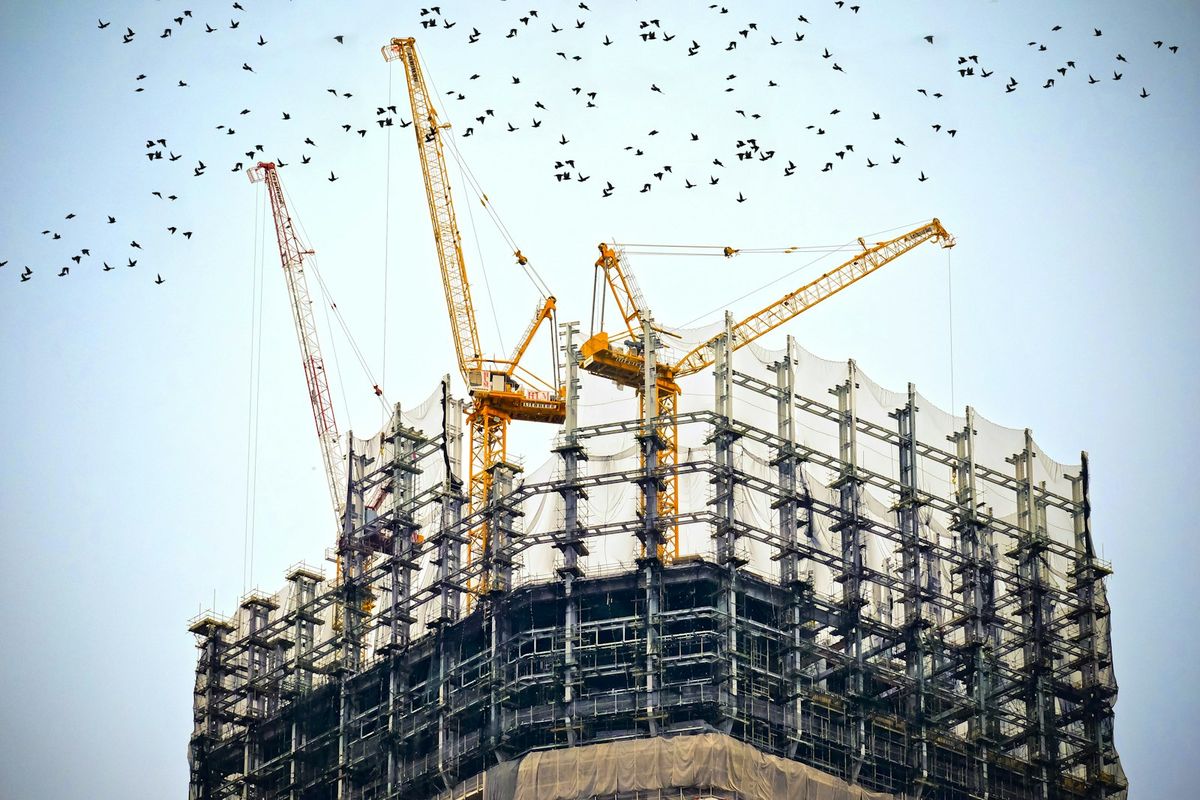
Ground-Up Construction Loans for Builders Who Have
The lot and the build in one loan. Up to 75% of the land, 100% of the construction budget held back and released as you build, up to 90% of total cost and 75% of the completed value, interest only, up to 24 months.
Leverage grows with the builds behind you, and a first build is a row on the grid, not a decline. When the house is finished, sell it or lease it and refinance into a DSCR rental loan with the same team.
A ground-up construction loan for land, construction, and carry.
A ground-up construction loan has two parts: an initial advance against the lot and a construction holdback that funds the build in draws. The budget is funded first, so the build is never short; the land advance is what is left under the cap.
The initial advance is sized on the lesser of what you paid for the land and what it is worth, up to 75% with five or more completed builds. The whole loan is capped at 90% of total cost and 75% of the completed value. Interest can run on funds actually disbursed.
Build the budget with the free Budget Builder, phase it with the Draw Schedule Builder, and pressure-test the exit with the Exit Strategy Stress Test.
- Up to 75% of the land at closing
- 100% of the construction budget, held back and drawn
- Up to 90% of total cost
- Up to 75% of the completed value
- $100,000 to $2,000,000; larger loans by review
- Up to 24 months, interest only
- 1-4 unit residential, single lots and small developments
- Nationwide - see Where We Lend
These are program maximums. Your leverage depends on your construction track record, credit, and the project. Rate, points, and fees are quoted with the term sheet. Instant term sheet, close in 2 weeks.
From lot to certificate of occupancy.
The file is read on the lot, the plans, the budget, the completed value, and what you have built before.
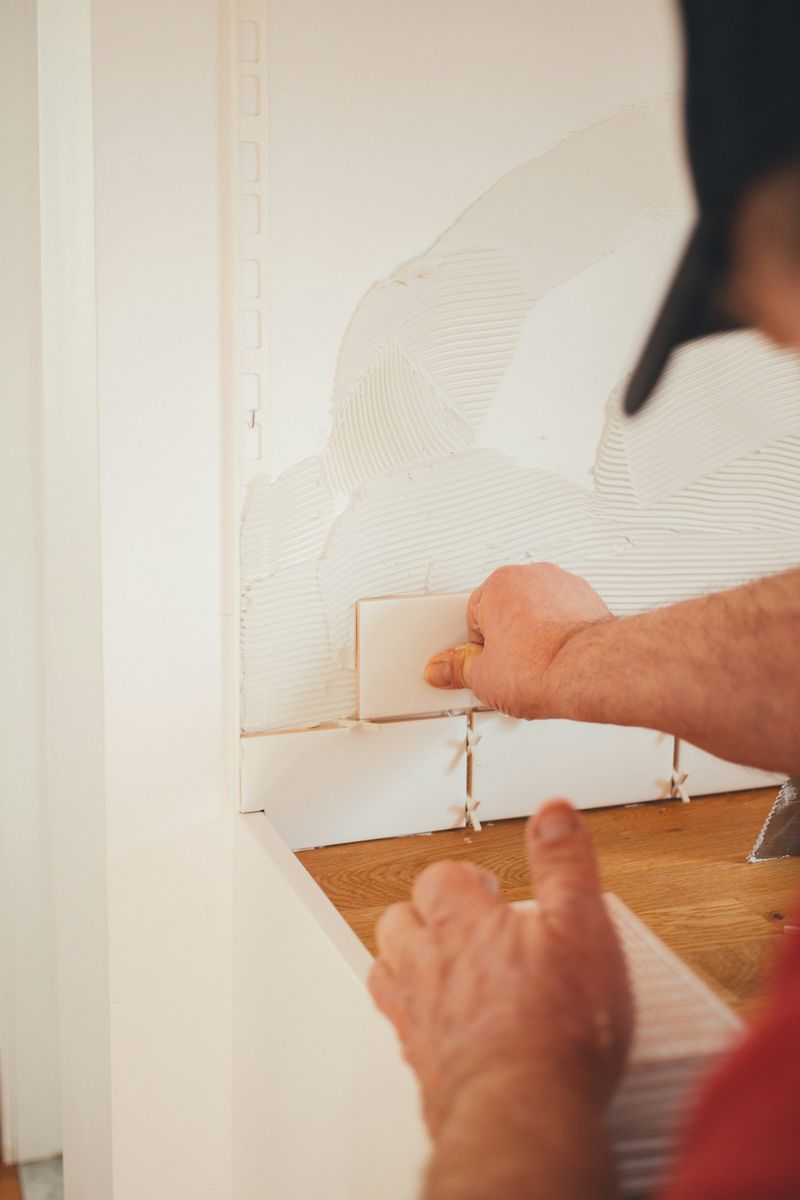
The lot address and cost, the plans, the construction budget, the completed value, and the ground-up projects you have finished. Permits if you have them, an architect letter if you do not.
We size the loan against the land, the budget, and the completed value and respond with an instant term sheet. The valuation is ordered right away.
The initial advance funds the land at closing. The construction budget is set aside as the holdback, funded first so the build is never short.
Foundation, framing, rough-ins, finishes: request each phase with photos, an inspection confirms it, the funds wire. Permits are required before the first hard-cost draw.
Sell the completed home, or lease it and refinance into a nationwide DSCR rental loan without starting the file over.
Ground-up construction loans built for builders.
Ground-up leverage is earned on ground-up projects: completed builds in the last three years, every guarantor's added together. Renovation experience counts on our fix and flip program; construction experience counts here.
Up to 70% of the land, 65% of the completed value and 85% of total cost, with the whole construction budget inside the loan.
Up to 75% of the land, 70% of the completed value and 85% of total cost.
The program maximums: up to 80% of the land cost, 75% of the completed value and 90% of total cost.
A feasibility review of the plans and budget and an environmental screen run on every build. Rural lots, large tracts, and speculative land are outside the program.
What fits the program.
- Infill development in urban and suburban areas: single lots and small developments
- 1-4 unit residential at workforce, median, and near-median values - the housing stock with the most buyers
- Purchases and delayed purchases of the lot, and rate-and-term refinances of a project under way
- US citizens and permanent residents; ground-up is not offered to foreign nationals
- Plans and permits, or a stamped architect or engineer letter that matches the plans
- A licensed general contractor on the project, with the contract on file
- Closed in your LLC or corporation, with a personal guaranty from the principals
- Business purpose only - never a home you or your family will live in
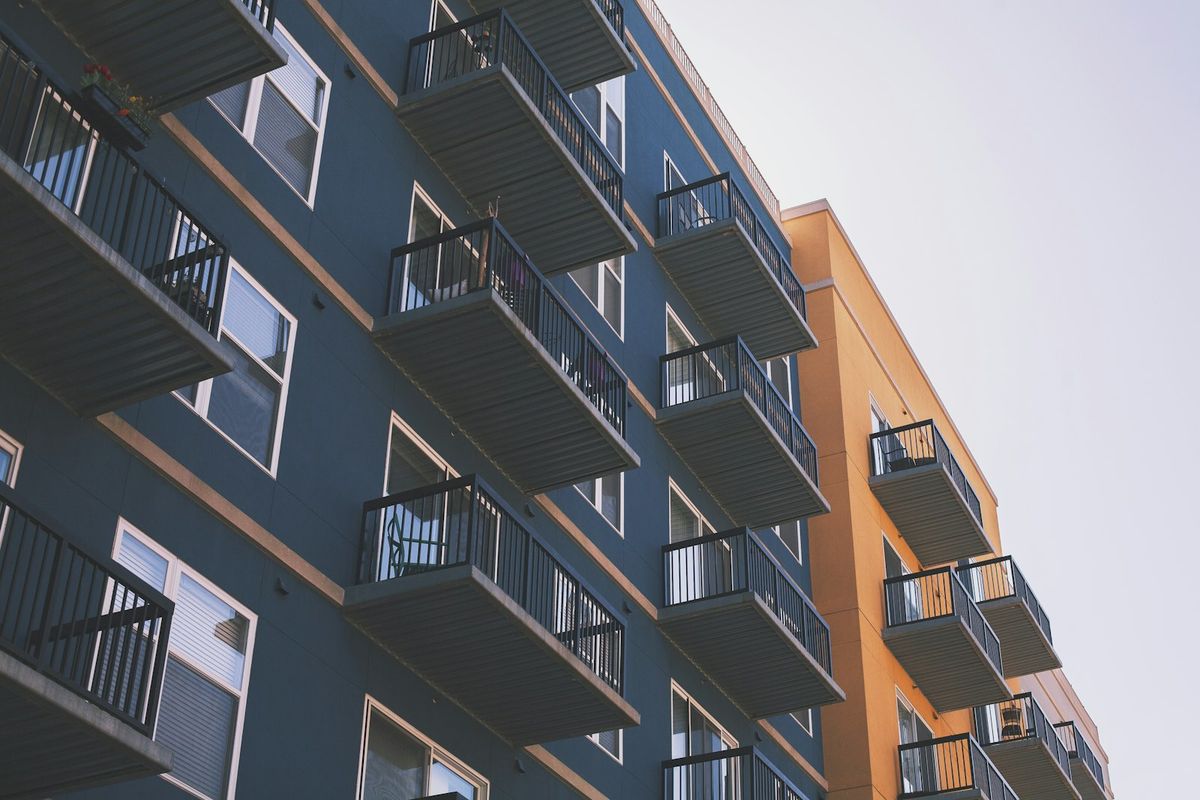
The budget, released phase by phase.
The construction holdback is yours as the building goes up. Here is how it comes out.
Site work, foundation, framing, roof, mechanicals, finishes, with soft costs held to 15% of the budget and a 10% contingency line.
Soft costs can be released on an architect letter; hard costs wait for the building permit.
Request each completed phase with dated photos. An inspection confirms the work; funds wire within a few business days.
The plans and the budget are reviewed on site before the first draw, so the schedule and the line items are agreed before the money moves.
Scope revisions move money between divisions on approval; the total does not grow. Use the contingency line first.
The lot, the plans, the budget, the builds behind you.
Send the basics and we respond with terms and next steps. Every construction loan is sized on the actual project - no published rate sheet or rigid online guideline replaces a review of the numbers.
- Lot address, cost, and whether you already own it
- Plans, and permits or an architect letter
- Construction budget by division
- Completed value
- Ground-up projects you have completed in the last three years
- General contractor and license
- Borrowing entity and contact information
Ground-up, answered straight.
What is a ground-up construction loan?
Short-term financing for building a new home on a lot: an initial advance against the land and a construction holdback released in draws as the phases are completed and inspected. It is repaid when the finished property is sold or refinanced. Your term sheet comes back instantly, and you close in 2 weeks.
How much of the land and the build do you fund?
Up to 75% of the lesser of the land cost and the land value with five or more completed builds (70% on a first build), and 100% of the construction budget, capped at 90% of total cost and 75% of the completed value.
Do I need permits to close?
Plans and permits, or a stamped architect or engineer letter that matches the plans, go in with the file and are part of the feasibility review. The first hard-cost draw always waits for the building permit.
Who qualifies for a construction loan?
Investors and builders at any experience level: completed ground-up builds in the last three years set the leverage, every guarantor's added together, and a first build is a row on the grid, not a decline. A licensed general contractor is on every project.
What kinds of projects fit?
Infill lots in urban and suburban areas, single lots and small developments, building 1-4 unit homes at workforce, median, and near-median values. Rural lots, large tracts of land, and speculative land plays are outside the program.
What is the term?
Up to 24 months, interest only, with 12- and 18-month terms available. An extension is reviewed per file; ask before maturity, not after.
What is the exit?
A sale of the finished home, or a lease and a refinance into long-term financing. Every project is tested on the profit it shows at the completed value. If you plan to hold it, the refinance into a nationwide DSCR rental loan runs through the same team.
Where do you offer construction loans?
Nationwide, with a short list of excluded states. See the current map on the Where We Lend page. Availability remains subject to the property, underwriting, documentation, and applicable law.
Do you work with brokers on construction loans?
Yes. Brokers get fast scenario reviews and a straight answer on whether a project fits. Visit the Partners page to get started.
Break Ground.
Send the lot, the plans, the budget, and the builds behind you. We will respond with terms and next steps.