
The BRRRR method is really a financing story wearing a real estate costume. Short-term capital carries the risky chapter - the vacant property, the renovation, the lease-up. Long-term capital carries the hold. The refinance is the handoff between the two, and the handoff is where investors fumble.
Refinance too early and the file is weak: no lease, no documented rent, a valuation the paint has not caught up to. Refinance too late and the bridge loan is maturing, extension costs are eating the spread, and you are negotiating with a calendar instead of a lender.
The window between those two mistakes is the whole game. Here is how to find it.
Two loans, two different questions
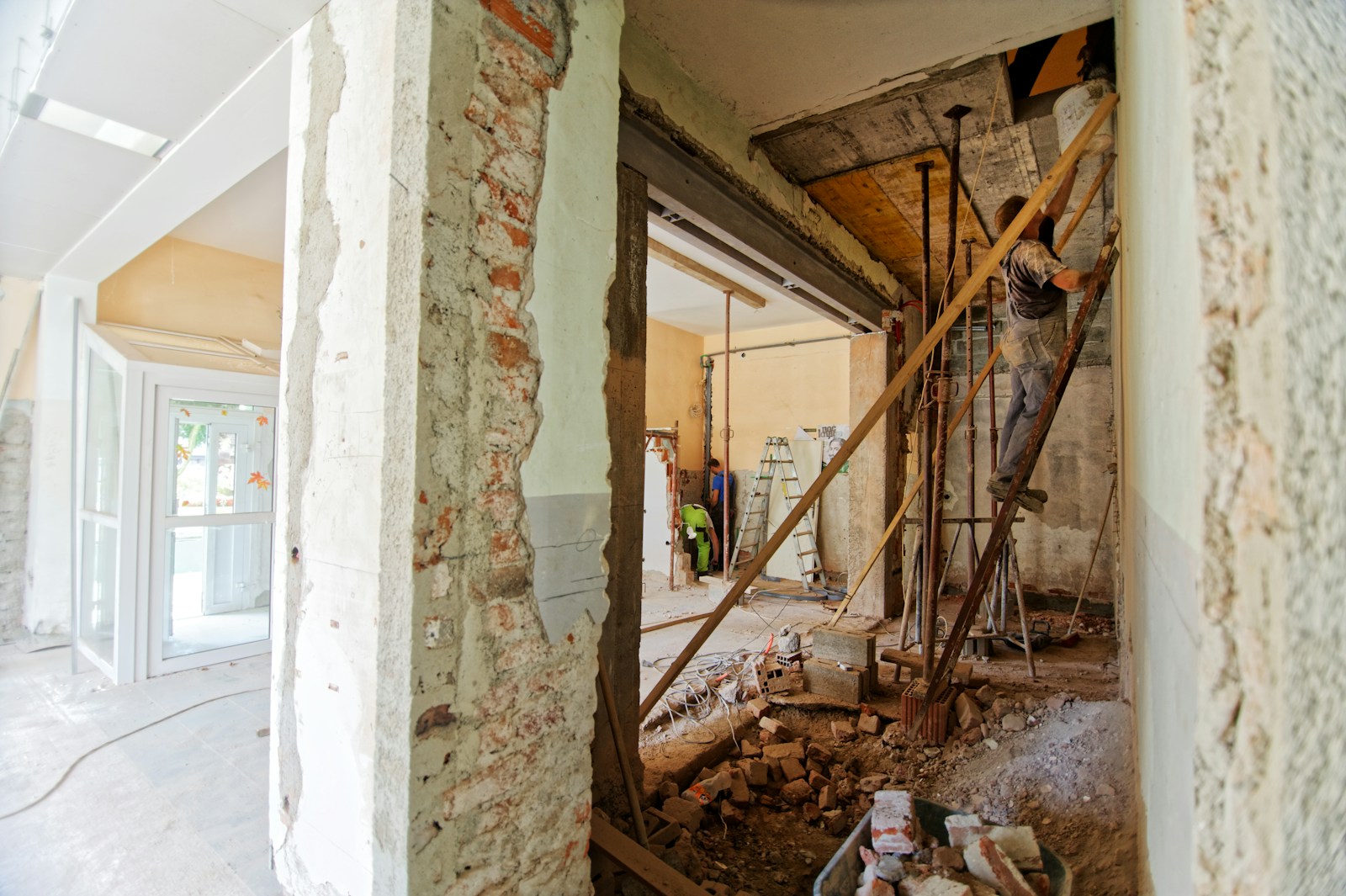
A bridge loan is underwritten on the deal: the property, the equity, the plan, and the exit. It exists precisely because the property is not finished being what it is going to be. Nobody expects a vacant three-bedroom mid-renovation to cover a mortgage payment.
A DSCR rental loan asks a different question entirely: does the property, as it stands today, earn enough rent to carry its own payment? That question can only be answered well when the property has an answer - which is the entire timing problem in one sentence.
The refinance window opens when the property stops being a project and starts being a business.
The three gates
Before the exit file is worth writing, three things need to be true. Think of them as gates - the refinance conversation gets easier as each one closes behind you.
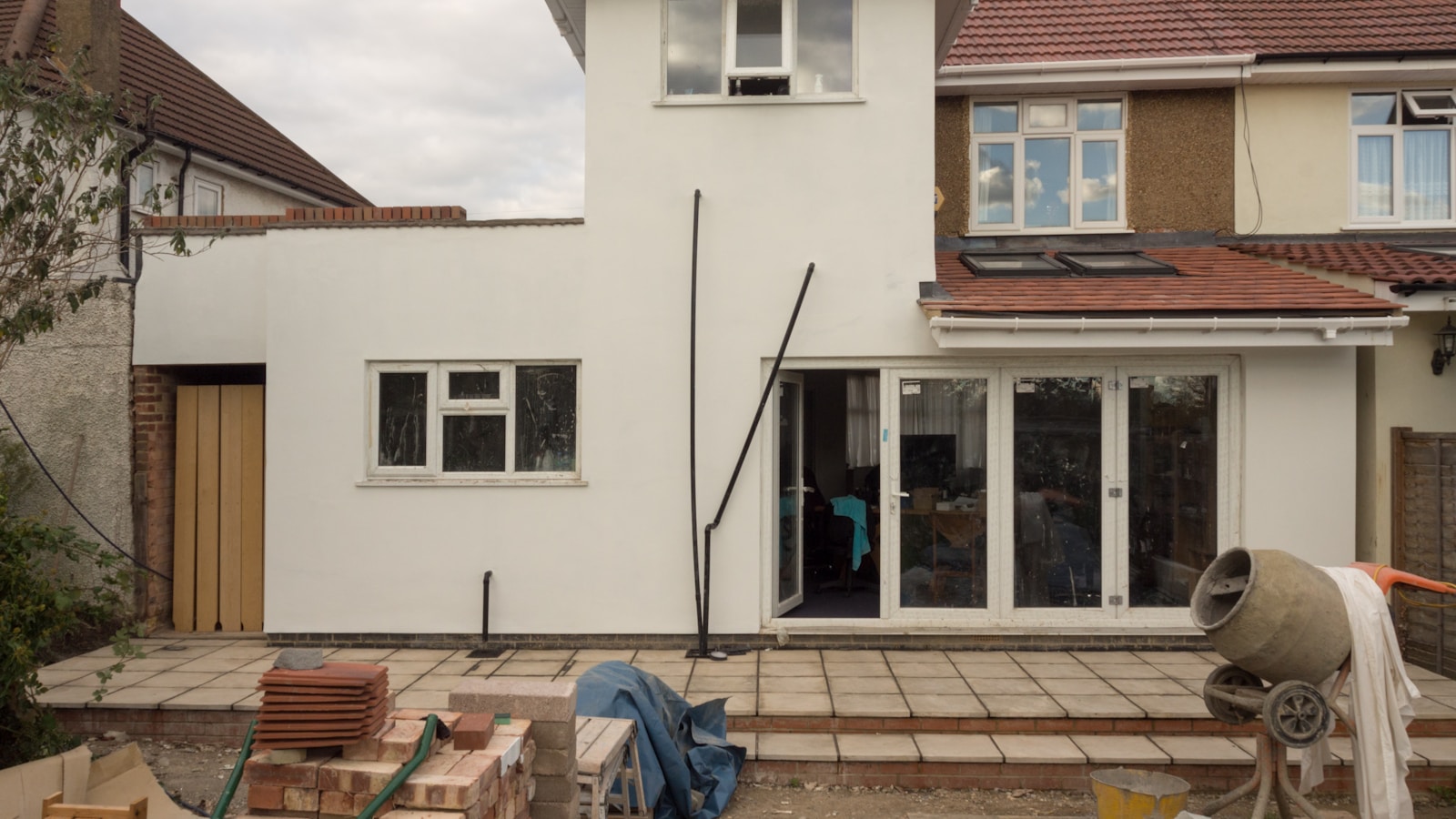
- The work is done. Not ninety percent done. A long-term lender is financing a stabilized asset, and a half-finished kitchen reads as a project, not an asset. Finish the scope, keep the invoices, photograph the result.
- The rent is real. A signed lease is the strongest evidence a rental file can carry. A supportable market rent figure can work; a hopeful number cannot. If the property is not leased yet, you are usually still in the bridge chapter - and that is fine, that is what the bridge is for.
- The numbers are documented. Current taxes, an actual insurance quote on the improved property, HOA dues if any. These live inside the payment your rent will be measured against - the ratio math we walked through in DSCR Below 1.0.
The one-line test: if a stranger could look at the file and see what the property earns and what it costs to carry - without needing your optimism as a supporting document - the window is open.
"Seasoning," in plain English
Somewhere in every BRRRR conversation the word seasoning appears, usually delivered like a rule everyone else already knows. Here is what it actually means: time on the record.
Lenders want evidence that the new value and the new rent are real rather than hoped for, and the calendar is one form of evidence. A property that has held its tenant for months at the stated rent is telling a more credible story than one leased last Tuesday.
What trips investors up is that seasoning is a program convention, not a law of nature. Conventions differ on how much time and - more importantly - on when the clock starts. Some programs measure from the purchase date. Some measure from the completed renovation or the signed lease. Planning a project around a seasoning assumption you never verified is one of the most common self-inflicted wounds in the BRRRR playbook.
The fix costs one conversation: ask the exit lender about timing while you are still renovating, not after. The answer shapes when you list the unit, when you order the payoff, and how much bridge runway you actually need.
The trap on each side of the window
Too early looks like ambition and costs like a discount. An unleased property with fresh paint refinances on its weakest possible file - the rent is theoretical, so the ratio is theoretical, and the structure that comes back reflects it. Waiting for the lease often changes the entire economics of the exit.
Too late looks like patience and costs like a penalty. Bridge loans have maturity dates. Blow past one and you are paying for extensions, or refinancing under deadline pressure, or both - and deadline pressure is the single worst negotiating position in finance. The spread you built at acquisition leaks out through carrying costs one month at a time.
This is exactly what our free Exit Strategy Stress Test exists to pressure-check: run your hold timeline against a longer lease-up, a slower renovation, and higher carrying costs, and see whether the plan survives the version of events where nothing goes perfectly. Every deal looks good in the base case.
The math that picks the moment
Strip the jargon away and the refinance decision is three questions:
- Does the rent carry the new payment? Run the property through the DSCR Calculator with the real lease, the real taxes, and a real insurance quote. If the ratio only works with a hopeful number in it, the window is not open yet.
- Did the value actually move? The cash-out side of BRRRR depends on the reposition being real - a renovation the market can see, supported by what comparable properties are doing.
- What does the payoff look like? The bridge balance, any extension math, and the calendar between today and maturity. That number tells you how much patience you can afford.
When all three answers point the same direction, the handoff is ready.
The part nobody prices in: lender roulette
Here is the quiet tax on most BRRRR projects: the bridge lender and the rental lender are strangers. At the exact moment timing matters most, the investor starts over - new intake, new document stack, a new team learning a property someone else already understands.
It does not have to work that way. 1st Private Capital offers both sides of the sequence - hard money bridge loans and nationwide DSCR rental loans - so the exit runs through the same team with one point of contact. The people reading the rental file already know the renovation, the budget, and the block. Nothing about the timing gets easier than the handoff you never have to make cold.
Questions investors ask about the exit
When can I refinance out of a bridge or hard money loan?
When the property can prove its new life: renovation complete, tenant in place or market rent supportable, and the numbers documented. Seasoning conventions vary by lender and program, so the honest move is to ask the exit lender early - before you plan the whole project around an assumed date.
What does seasoning mean on a refinance?
Time on the record. Lenders want evidence that the new value and the new rent are real rather than hoped for, and the calendar is one form of evidence. Programs differ on how much time and on when the clock starts - some measure from purchase, some from the completed renovation or the signed lease. It is a program convention, not a law of nature.
What if the property is not leased yet?
Then it is usually not a refinance conversation yet - it is still the bridge chapter. A long-term rental loan is measured on rent the file can evidence. Lease the property first, or be ready to support a market rent figure, and the refinance file gets dramatically stronger.
Do I have to switch lenders to exit a bridge loan?
Not here. 1st Private Capital offers both hard money bridge loans and nationwide DSCR rental loans, so the exit can run through the same team with one point of contact - the file does not start over with a stranger at the exact moment timing matters most.
Planning the exit before the entry? That is the right order. Pressure-test the timeline with the Exit Strategy Stress Test, run the rental math in the DSCR Calculator, and when the sequence holds up, price the deal - the bridge, the exit, or both.
This article is provided for general informational purposes only. It is not a commitment to lend or investment, legal, tax, or financial advice. All figures, rates, and scenarios above are hypothetical illustrations of general market concepts, not a loan quote, rate representation, or promise of available terms. Loans are for business purposes only. Actual loan terms, pricing, and transaction results vary and are subject to underwriting, documentation, and applicable law.